Thirty years ago, finding a missing child meant printing flyers and hoping someone saw something. Word spread slowly, search areas were guessed at, and investigators pieced together timelines almost entirely from memory and witness accounts that shifted every time someone retold them.
That picture looks nothing like what happens today.
Missing Children Global Network has worked cases across Florida since 2009. Over those years, two things changed the speed at which searches move: the tools available to investigators and how fast accurate information now reaches the public. Both matter. Neither works without the other.
The Camera on the Corner Nobody Thinks About
Walk down any street in Florida and count what is recording. Pharmacy doorways. Bank ATMs. Gas station pumps. Residential doorbells. Traffic intersections.
That footage sits there whether anyone asks for it or not.
When a child goes missing, investigators can request recordings from a dozen locations along a likely route within a few hours of a report being filed. What used to take a week of canvassing now takes an afternoon. A child who passed a convenience store at 2:47pm left a timestamp. That timestamp becomes a direction. That direction keeps the search from spreading so wide it loses all focus.
Phones add another layer. A device carries location history, app data, and message records. Sometimes those records surface conversations with people the family never knew existed. Sometimes that contact is the lead that moves everything else.
When cases cross county or state lines, agencies now share information through systems fast enough to matter. Coordination that used to require formal procedures taking days to process happens in hours. Organizations offering missing child recovery services run parallel searches using the same information, covering ground that official departments with heavy caseloads sometimes cannot reach quickly.
Why One Wrong Word in Social Media Post Causes Real Damage
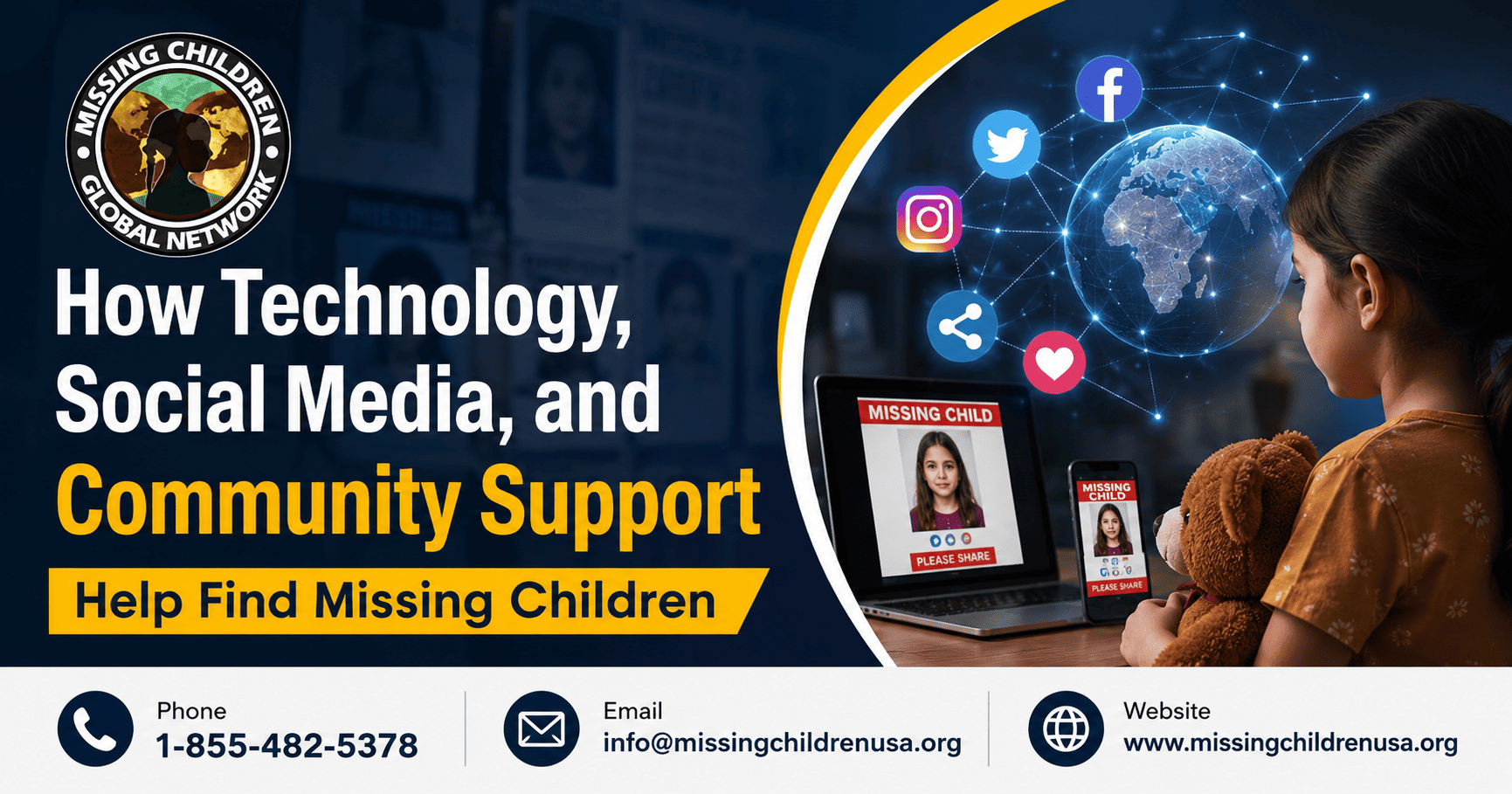
A verified post with a clear photo and accurate details, shared through a tight neighborhood network, has led to real recoveries. People see a face they recognize from the end of their street. They call it in. That call is the one that shifts the search.
But here is what happens when the details are slightly off.
Thousands of people start looking for a child who no longer matches. Tips flood in from people who genuinely believe they saw something. Investigators spend hours chasing sightings that do not line up with anything in the case file. The search loses momentum at the moment it needs it most.
That damage comes from one post with one wrong detail shared by someone trying to help.
Before posting anything, call law enforcement and confirm what they have on file. Once that is done, keep the post simple. A clear photo. A short physical description that matches exactly what officers confirmed. One number to call. Nothing speculative in the caption. No space for theories in the comments.
Posts that hit neighborhood groups and local community pages land differently than broadcast alerts. People act on information that comes through someone they know. A parent who sees a verified post from a neighbor and remembers passing a child matching that description near a park earlier has closed cases that investigators had no strong leads on.
That only happens when what was shared was right.
The Call Nobody Almost Made
People picture community help as sharing posts online.
The part that rarely gets talked about is something quieter. A shop owner who checked their security camera without being asked and walked the footage to the police station. A teacher who mentioned to investigators that a student seemed unusually upset the day before going missing. A neighbor who picked up the phone to report something that felt slightly off last Tuesday, not entirely sure it was worth mentioning, but decided to say it anyway.
That last call is the one that has broken cases investigators were struggling to move.
Local schools, neighborhood organizations, and faith communities carry networks of people who already trust each other. When confirmed information moves through those networks, people respond differently than when they see a broadcast alert from a source they do not recognize. They treat it as something real that requires action rather than something to scroll past.
Missing children organizations that work alongside law enforcement bring coordination to this. When investigators, families, nonprofit teams, and community members are all working from the same verified information, the search reaches places no single agency gets to on its own.
Frequently Asked Questions
- Does social media actually recover missing children or just raise awareness?
Both, when used carefully. Tips from community members who recognized a child from a shared post have directly contributed to recoveries in Florida. The problem comes when posts contain wrong information. A slightly outdated photo or an inaccurate description sends thousands of people looking for the wrong thing. Check with law enforcement before posting and stick exactly to what they confirm.
- What technology gets used in a missing child investigation?
Surveillance footage from businesses, traffic cameras, and residential doorbells. Phone location records. App activity and messaging history. Online account data. What investigators pull depends on the specifics of the case. The goal is always the same: close the gap between the last confirmed sighting and the first solid lead.
- What can a regular person do when a child goes missing nearby?
Check your own security camera and offer the footage to police before they ask. If you noticed anything that felt slightly off in the past few days, even something small, call it in. When sharing alerts online, use only what law enforcement has publicly confirmed. Report sightings to police before posting about them anywhere.
- Why does it matter whether community members get involved?
Because investigators cannot be on every street at once. Local people already are. Someone who drives the same route every morning notices when something looks different. That observation reported to the right person has moved searches that were going nowhere.
- What do I do if I think I see a child matching a missing child alert?
Call local law enforcement right away. Stay on the line. Give your exact location, what time it is, and a clear description of what you are seeing. Do not approach if anything feels unsafe. Report to police before posting anything publicly.
Conclusion
Technology gave investigators faster access to information. Social media gave the public a role in spreading it. Community involvement filled the space neither of those things reaches on their own.
None of it works when information is wrong, when people act before confirming, or when the search runs on speculation instead of facts.
Missing Children Global Network works alongside Florida families and law enforcement through active cases at no cost. Call 1-855-482-5378 or visit missingchildrenusa.org for support.