
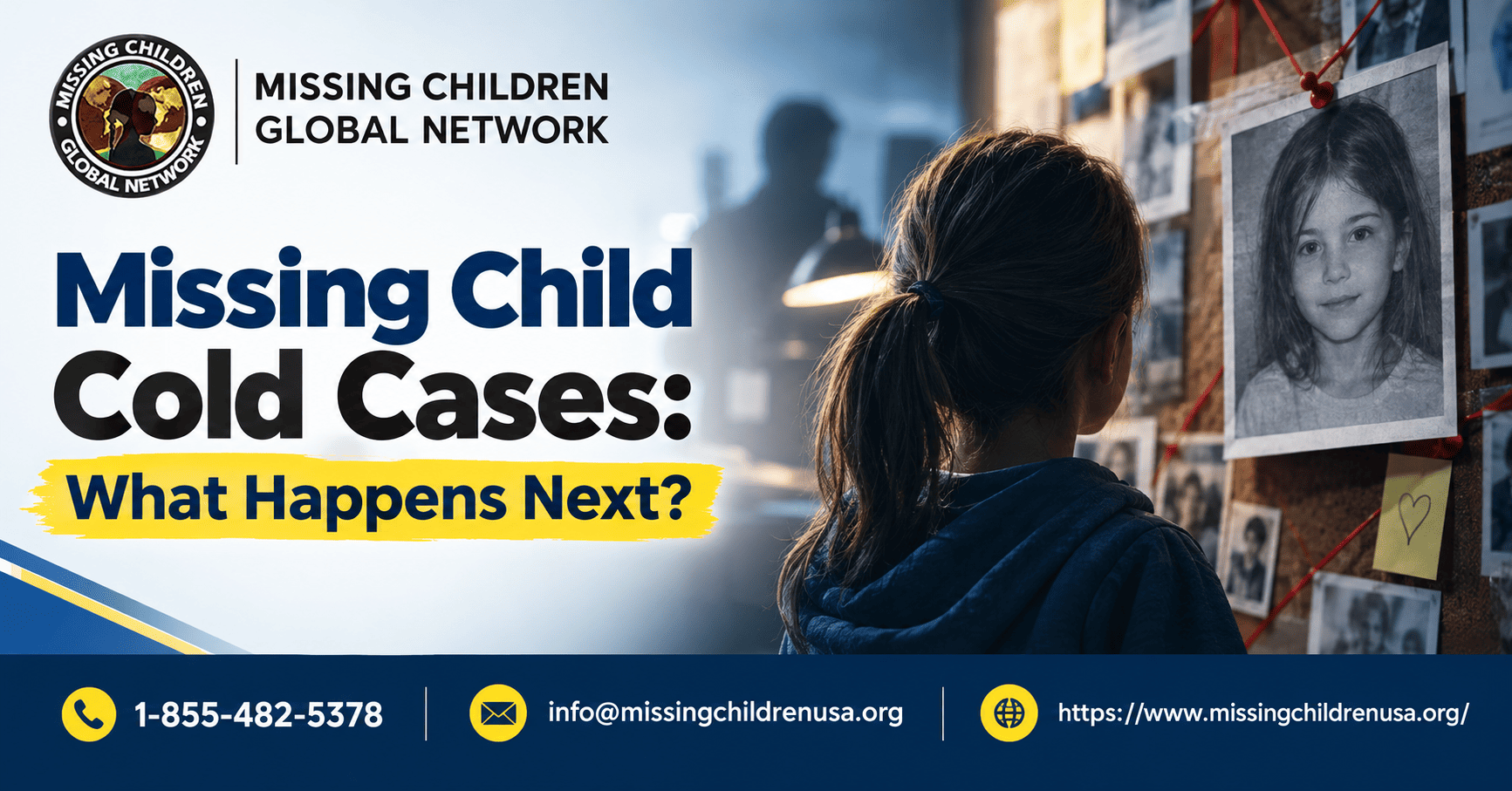
When a child is missing and a Missing Child Investigation case does not find them within the first few weeks, it can be even more confusing for a family. The urgency does not disappear, but the approach taken by investigators may change. A case in Florida can be active as they revisit information, follow up on leads or look at evidence with a fresh pair of eyes. Missing Children Global Network also aims to support families and raise awareness of missing child cases including those that are unresolved.
When the immediate search doesn’t find the child
The first few days of a missing child case usually entail an urgent search of information, witnesses and possible locations where a child could be. Investigators may talk to people who saw the child, review footage and look over other pieces of information connected to the disappearance.
However, those early efforts do not always lead to the child’s location.
A case may continue to be active as they wait to hear new information or to go over evidence that requires more time to analyze. Families may receive support as the case remains active.
For parents, it’s a difficult time as the calls may start to fade but the questions never stop.
How a missing child investigation evolves over time
As time goes by, investigators may start to look back over parts of the case they explored early on. New information can alter old evidence and help shed light on what could’ve happened.
Investigators may:
- Look back on previous interviews and reports
- Reevaluate timelines and known movements
- Follow up on old leads that weren’t pursued
- Compare information with other cases or reports from the past
- Talk to people who may have new information
- Revisit places connected to where the child was last seen
A Missing Child Investigation case in Florida can also look into multiple agencies, especially if they feel the child could have crossed local or state lines.
The investigation may look very different after years or months have passed but that doesn’t mean investigators have forgotten about the case.
Revisiting evidence, leads and new investigative technology
Technology continues to evolve and help investigators look at old cases through a new lens. Information that was challenging to analyze years ago can be revisited and reexplored as new databases or technology becomes available.
Old photographs, surveillance, digital information, physical evidence and other case resources can be looked at again when there’s a reason for it. Investigators can compare old information with new evidence as they come across it, and it’s not uncommon for something that didn’t seem important at the time to take on a whole new meaning.
A new witness may remember something that wasn’t on their mind before, or someone has reached a point in their life where they feel safe giving information.
That’s why families do well to keep an eye out for new information, even if it means years have passed.
Why public awareness and new tips still matter
People tend to think that if they don’t hear about a case, nothing is happening but it’s not necessarily true.
Public awareness can help keep a child’s information out there for those who may have valuable information. Someone may recognize an old photograph years later, or decide they have the right information to share after fearing something at the time.
If you have information that could help locate a missing child, avoid investigating it yourself. Contact law enforcement and provide the information you have. Something that doesn’t seem important can be worth pursuing.
For anyone searching for information about Missing Children Florida, it’s vital they keep in mind that public tips are important even when a case isn’t receiving daily attention.
Frequently asked questions
- What is considered a long-term missing child case?
A case may be considered long term when a child is missing in an extended period of time without being located. The categorization may differ between agencies and organizations.
- Does one continue to investigate a missing child after the first few weeks?
Not necessarily, investigators may continue to look over evidence and follow up on leads or new information after those early few weeks.
- Can old evidence be used to help with solving a missing child case years later?
Yes, technology, new information or a fresh perspective on old evidence can help provide investigators with new leads.
- Why are public tips important in cold cases?
Someone may remember something later, recognize a photograph or learn new information that connects to the case. A credible tip can help give investigators something new to look at.
- What should one do if they have information about a missing child?
Contact law enforcement and provide the information they have. Avoid confronting anyone or doing your own investigating.
A missing child case should never be forgotten
For families, time does not mean the importance of a missing child decreases and an unresolved case can remain a part of their lives for years.
If you have information about a missing child or need support in relation to an ongoing case, Missing Children Global Network can provide investigative assistance and family support. Sharing credible information with the right authorities can also help keep a case active when answers have been challenging to locate.